
Buying a second-hand static caravan can save you tens of thousands of pounds compared with buying new – but only if you know what to look for before you sign anything. Miss the wrong detail and you could end up with a unit that a park refuses to accept, a chassis that’s eaten through with corrosion, or a delivery bill that arrives as an unwelcome surprise. This guide walks you through every stage: inspection, park rules, paperwork, and getting the unit moved safely to its new home.
Why buy second-hand?
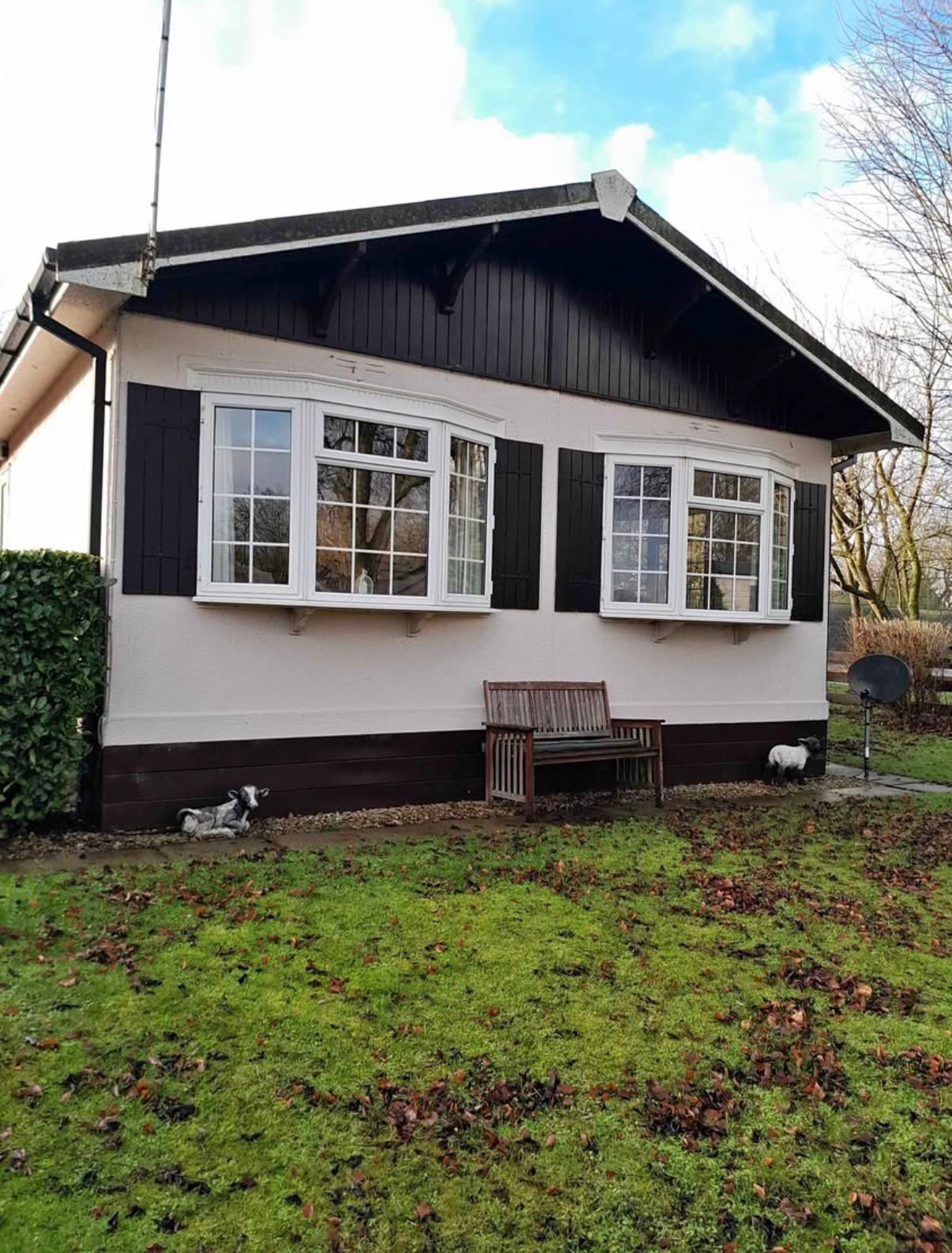
A new static caravan depreciates sharply the moment it is sited – much like a new car. A well-chosen second-hand unit, typically 5–12 years old, can offer the same comfortable accommodation at 30–60% of the new price, leaving meaningful budget for transport, siting, and any redecoration. Static caravans generally last 15–30 years or more when properly maintained, so mid-life units still have plenty of useful life ahead of them. The key is matching the right unit to the right park before any money changes hands.
Check the park rules first – before you fall in love with a unit
The single most common and costly mistake buyers make is purchasing a caravan and only then discovering the destination park won’t accept it. Ring the park manager before you view any unit and ask these questions directly:
- Do you have an age limit on caravans brought on to the park? (Many holiday parks enforce a 10, 15 or 20-year rule; some judge purely on condition.)
- What are the current annual pitch fees, and when were they last reviewed?
- Is there a bring-on fee or inspection charge for privately sourced units?
- Do you permit private purchases, or must units be bought through the park?
- Are there any size restrictions – maximum width or length – for pitches on this park?
If you’re buying to site on private land rather than a park, the questions shift to planning permission and ground conditions – a different set of rules entirely. And if you’re thinking about year-round living, check whether the park is licensed for residential use: holiday parks (typically open March–October or March–January) are governed differently from residential parks where units must meet the BS 3632 standard. See our guide to living in a static caravan all year round for the full picture.
What to inspect when viewing
A viewing on a bright Saturday tells you the caravan looks appealing. A second visit on a damp weekday tells you whether it leaks. Try to do both. Here is what to check systematically:
Chassis and structure
Get underneath the unit if you possibly can. Surface rust on the steel chassis is normal on any caravan that has sat outdoors for years; what you are looking for is structural corrosion – metal that flakes, perforates, or flexes under hand pressure. Check the axle mountings and jockey-wheel area in particular, especially if the caravan has sat near the coast or on boggy ground.
Damp and water ingress
Damp is the biggest single killer of second-hand static caravans. Press the walls and ceiling in corners, around window frames, and along the roofline. Soft or spongy panels, blistered wallboard, or a musty smell all indicate water ingress. A professional damp survey (ask the park office if they can recommend anyone, or commission one independently) is money well spent on any unit you are seriously considering.
Gas, electrics and plumbing
Ask to see any Gas Safe certificates and electrical installation condition reports (EICRs). Boilers and water heaters should be serviced annually. If there is no paperwork, assume no maintenance. On the day, run the taps, flush the toilet, test all appliances, check under the sink and around the boiler for damp patches, and look for any signs of gas work that does not look professionally finished.
Windows, doors and roof
Check that every window opens, closes, and seals properly. On older units, uPVC frames can warp or the double-glazed units can fail (you will see misting between the panes). The rubber roof membrane or fibreglass panels should be free of splits, bubbles, and lifted seams.
Paperwork and ownership checks
Unlike a house or a car, static caravans do not have a central ownership register in the UK. Carry out these checks to protect yourself:
- VIN / chassis plate: every factory-built static caravan has a manufacturer’s plate with a vehicle identification number. Match it to any paperwork. If it has been removed or obscured, walk away.
- Proof of purchase history: original purchase receipts or dealer invoices confirm the age and establish the ownership chain. An undocumented unit is harder to insure and harder to sell on.
- Finance check: a caravan can be subject to outstanding hire-purchase finance even if it is being sold privately. Use one of the established HPI-style checks (a modest fee) before handing over any deposit.
- Pitch licence / licence to occupy: if you are buying a unit that will stay on its current pitch, confirm in writing with the park that the licence transfers to you and on what terms.
- Service records: Gas Safe certificates, EICRs, boiler service histories, and any structural repair invoices all tell a story. Gaps in the records are a negotiating point at minimum.
Understanding the real total cost
The price of the unit is only one line in the budget. Use this table to map out the full picture before you commit:
| Cost item | Typical range | Notes |
|---|---|---|
| Second-hand unit purchase price | £5,000 – £50,000+ | Age, make, condition, and location all vary the price widely |
| Transport (de-site, haulage, re-site) | From £950 | See below; depends on distance, width & complexity |
| Annual pitch / site fees | £3,000 – £14,000+ per year | Reviewed – and usually increased – annually |
| Utility disconnection & reconnection | Variable | Must be carried out by qualified professionals; arranged by the buyer |
| Bring-on fee (if park charges one) | £0 – several hundred pounds | Ask the park directly before purchasing |
| Insurance | £200 – £600+ per year | Contents, structure, public liability |
| Skirting, decking removal & refitting | Variable | Often arranged separately; adds time and cost to a move |
For a fuller breakdown of what moving the unit costs, read our UK price guide to moving a static caravan.
Getting the caravan delivered: what actually happens
Static caravans cannot be towed – not by a 4×4, not by a tractor, not by anything a private buyer could hire. They are carried on specialist low-loader transport as abnormal loads, which means a completely different set of logistics from moving a touring caravan. Here is what the process looks like end-to-end.
Step 1 – De-siting at the seller’s location
Before the unit can be loaded, utility connections must be signed off as safely disconnected by a suitably qualified professional – a Gas Safe registered engineer for gas, a qualified electrician for electrics, and a plumber for water. This is the buyer’s (or seller’s) responsibility to arrange, not ours. Some parks insist their own maintenance teams carry out disconnections; check with the park early. Once services are safely isolated, the de-siting process begins: jacking the unit off its stands, removing any skirting or decking (usually arranged separately by the customer), and loading it onto the low loader.
Step 2 – Permits, route planning and the move itself
A typical single static caravan is 10–12 ft wide and 28–40 ft long, weighing several tonnes. Anything over approximately 2.9 m wide is legally an abnormal load, requiring ESDAL notification to the relevant authorities with at least two clear working days’ notice. Units over roughly 3.5 m wide usually need an escort vehicle; very wide or long loads may require National Highways consent or even police involvement. Static Caravan Movers handles all of this – ESDAL notifications, route surveys, marker boards, and escort vehicles where required – as part of the transport service. For more detail, see how static caravans are transported.
One practical concern worth raising before you book: can the lorry actually reach the pitch? Low bridges, narrow lanes, overhead power lines, and tight park entrance gates can all create complications. Mention any access concerns when you call us for a quote – a short conversation upfront prevents a wasted journey.
Step 3 – Siting at the destination
On arrival at the destination, the unit is positioned on its pitch, jacked up, levelled on stands, and made structurally sound. If you are moving a twin-unit home, both halves travel separately and are rejoined and resealed on site – see our guide to moving a twin-unit static caravan. Once sited, utility reconnection follows the same rule as disconnection: it must be carried out and signed off by a qualified professional, arranged by you (or the destination park). We can refit skirting and steps on request.
What transport and siting costs
Transport for most second-hand caravan purchases starts from £950. The final figure depends on the distance, the width of the unit (which determines what permits and escort vehicles are needed), and site access at both ends. De-siting and re-siting is typically £300–£1,200 for standard single units; larger, twin-unit, or specialist homes can run to £4,000–£5,000. Call us on 01797 740231 for a clear, itemised quote before you exchange any money with a seller.
Red flags that should make you walk away
- No VIN plate or chassis paperwork – could indicate a stolen unit or undisclosed structural repairs.
- Soft, spongy walls, visible mould, or a persistent musty smell – extensive damp remediation is rarely cost-effective.
- A unit that has changed parks three or more times in a short period with vague explanations.
- Gas or electrical work that clearly has not been professionally carried out or certified.
- A seller who refuses to let you inspect underneath or declines a professional damp survey.
- No written confirmation from the destination park that it will accept the unit before you hand over a deposit.
Frequently asked questions
Can I move a second-hand static caravan myself?
No. Static caravans are not towable – they are structurally built without the reinforced A-frame and overrun braking a touring caravan has. Moving one requires a specialist low-loader, abnormal load permits, ESDAL notifications, and often an escort vehicle. Attempting a DIY move is illegal on public roads and will void any transport insurance. Read our guide on why statics need specialist transport for the full explanation.
How much does it cost to move a second-hand static caravan once I have bought it?
Static caravan transport starts from £950 for most jobs. The total depends on distance, unit width (which governs the permit and escort requirements), and access at both sites. De-siting and re-siting adds £300–£1,200 for a standard single unit, or £4,000–£5,000 for a large twin-unit or specialist home. We cover all of mainland UK, so even a long-distance purchase is competitively priced. See the full cost breakdown.
Who disconnects and reconnects the gas, water and electricity?
Certified disconnection and reconnection of gas, water, and electrics must be carried out by qualified professionals – a Gas Safe registered engineer for gas and a qualified electrician for electrics. The customer arranges this, not the transport company. Some parks insist their own maintenance staff do it; check with both the source park and destination park before booking a move. Static Caravan Movers handles the physical de-siting, haulage, and re-siting, but we are not responsible for utility connections.
What if the destination park has an age limit and my second-hand caravan is too old?
This is one of the most important checks to do before you buy. Many holiday parks enforce a 10, 15 or 20-year age rule on units brought on to their park; some judge on condition rather than age alone. Always get written confirmation from the destination park that it will accept your specific unit – stating the make, model, year of manufacture, and dimensions – before you exchange any money with the seller.
Can I move a second-hand caravan onto private land?
Yes, in principle – but there are planning rules to navigate first. Permitted development rights may allow a static caravan on agricultural or residential land in some circumstances, but permanent residential occupation almost always requires planning permission. See our full guide: can you move a static caravan onto private land?
How long does moving a second-hand static caravan take from start to finish?
The physical transport day itself is typically a single day for most standard moves. The lead time to organise it – ESDAL notifications require at least two clear working days’ notice, route surveys may add time, and parks often need advance notice – means you should allow 1–3 weeks from booking to move day for a straightforward job. Complex or long-distance moves, or twin-unit homes, take longer to plan. Read more in our guide: how long does it take to move a static caravan?
Do you cover the whole of the UK for second-hand caravan deliveries?
Yes. Static Caravan Movers is based in Rye, East Sussex, but we operate across all of mainland UK through a trusted national network of transport and siting teams. A purchase in Scotland delivered to Cornwall, or vice versa, is handled as a standard job – not a one-off special at inflated rates. Call 01797 740231 or visit our areas we cover page to check your specific locations.
What payment terms do you use?
We ask for a 50% deposit to reserve the move date, with the balance due when the unit is loaded. We are VAT-registered and will provide a proper invoice. If you would like a no-obligation quote before committing, just call or use the contact form – there is no charge for the quote.